

Hey there! As a supplier of riot armor, I've been thinking a lot about how our gear affects mobility in riot situations. It's a crucial aspect that can make or break the effectiveness of law enforcement officers and security personnel on the ground. So, let's dive into this topic and explore the ins and outs of how riot armor impacts mobility.
First off, let's talk about what riot armor is and what it's designed to do. Riot armor is a specialized type of protective gear worn by law enforcement officers and security personnel during riot control operations. It's designed to protect the wearer from a variety of threats, including physical attacks, projectiles, and chemical agents. Riot armor typically includes a helmet, body armor, gloves, and shin guards, and it's made from a variety of materials, including hard plastics, Kevlar, and metal.
Now, let's get to the heart of the matter: how does riot armor affect mobility? Well, the truth is, it depends on a few different factors. One of the biggest factors is the weight of the armor. Riot armor can be quite heavy, especially when you're wearing a full set of gear. This can make it difficult to move quickly and easily, especially for extended periods of time. The weight of the armor can also put additional strain on the wearer's body, which can lead to fatigue and decreased mobility over time.
Another factor that can affect mobility is the design of the armor. Some riot armor is designed to be more flexible and lightweight, while other types of armor are more rigid and bulky. The design of the armor can have a big impact on how easily the wearer can move their arms, legs, and torso. For example, if the armor is too tight or restrictive, it can limit the wearer's range of motion and make it difficult to perform certain tasks, such as running, climbing, or bending down.
In addition to the weight and design of the armor, the type of riot situation can also play a role in how it affects mobility. For example, in a large-scale riot where there are a lot of people and a lot of movement, the armor may make it more difficult for the wearer to navigate through the crowd and respond quickly to changing situations. On the other hand, in a more controlled environment, such as a protest or demonstration, the armor may provide the wearer with the protection they need without significantly impacting their mobility.
So, what can be done to minimize the impact of riot armor on mobility? Well, one solution is to choose armor that is lightweight and flexible. There are a lot of different types of riot armor on the market today, and many of them are designed to be as lightweight and comfortable as possible without sacrificing protection. Another solution is to provide the wearer with proper training and conditioning. By training the body to handle the weight and stress of the armor, the wearer can improve their mobility and endurance in riot situations.
It's also important to consider the use of other riot control equipment in conjunction with the armor. For example, the 6000L Anti Riot Water Cannon Vehicle can be a powerful tool for controlling crowds and dispersing protesters. This vehicle can help to create a buffer zone between the officers and the crowd, which can reduce the need for officers to be in close proximity to the protesters and minimize the risk of physical contact.
Similarly, the Riot Control Equipment Transportation Vehicle can be used to transport officers and equipment to the scene of a riot quickly and efficiently. This vehicle can help to ensure that officers have the resources they need to respond to the situation effectively, which can reduce the amount of time they need to spend on their feet and minimize the impact of the armor on their mobility.

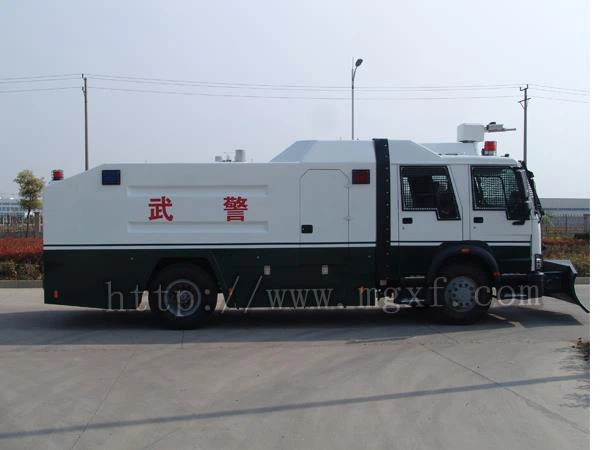
Finally, the Razor Barrier Spreading And Collecting Transportation System can be used to create a physical barrier between the officers and the crowd. This system can help to control the movement of the crowd and prevent protesters from approaching the officers, which can reduce the need for officers to engage in physical confrontations and minimize the risk of injury.
In conclusion, riot armor can have a significant impact on mobility in riot situations. However, by choosing the right armor, providing proper training and conditioning, and using other riot control equipment in conjunction with the armor, it's possible to minimize this impact and ensure that officers are able to perform their duties effectively and safely.
If you're interested in learning more about our riot armor products or any of the other riot control equipment we offer, please don't hesitate to reach out to us. We'd be happy to answer any questions you may have and help you find the right solutions for your needs. Let's work together to keep our communities safe and secure.
References
- Various industry reports on riot control equipment and its impact on mobility
- Expert opinions from law enforcement officers and security professionals with experience in riot situations
