
The term that firefighters commonly use to refer to their fire truck can vary depending on the region and the specific fire department's traditions or preferences. In many cases, the fire truck is simply called a "fire engine" or "fire apparatus." However, the names and types of fire trucks can vary, and there isn't a universal name for them.
Fire trucks, or fire apparatus, are specialized vehicles designed to assist firefighters in various aspects of their duties. These vehicles are equipped with a wide range of tools and equipment to respond to different types of emergencies, including fires, medical incidents, rescues, and hazardous materials incidents. The specific terminology and nomenclature for these vehicles can vary, but we'll cover some of the most common types of fire trucks and their functions.
Fire engines, often referred to as pumpers, are among the most recognizable fire trucks. They carry a water pump and a large water tank, enabling firefighters to extinguish fires using water. Fire engines also carry hoses, nozzles, and other equipment necessary for firefighting.
Aerial ladder trucks, sometimes known as tiller trucks, feature a long extendable ladder with a bucket at the top. These trucks are used for rescues, reaching elevated areas, and providing a platform for firefighting operations.
Rescue trucks are equipped with specialized tools and equipment for extricating individuals from vehicles or buildings during accidents and emergencies. They often carry hydraulic rescue tools, cutting equipment, and shoring materials.
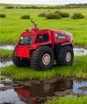
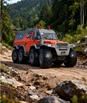
These fire trucks are designed for fighting fires in rural and forested areas. They typically have four-wheel drive and carry water, hoses, and tools for tackling wildfires.
Tankers or tenders are used to transport large quantities of water to the scene of a fire in areas where a hydrant water supply is unavailable. They are vital for rural and remote firefighting operations.
Hazardous materials (hazmat) trucks are equipped to handle chemical spills, leaks, and other hazardous materials incidents. They carry specialized protective gear and decontamination equipment.
Command vehicles are used by fire department commanders to oversee and coordinate emergency operations. They are equipped with communication systems and serve as mobile command centers.
In different regions, fire departments may use various names and terminology for their fire trucks. For instance, in some areas, a fire engine is commonly referred to as a "pumper," while in others, it may simply be called a "fire truck." The naming conventions can also be influenced by the manufacturer of the apparatus.
Additionally, some fire departments adopt unique names or designations for their fire trucks. These names may reflect local traditions, historical references, or the specific function of the vehicle.