

Maintaining order during riots is a complex and challenging task that requires a combination of strategies, training, and specialized equipment. As a leading supplier of riot patrol equipment, I have witnessed firsthand the importance of these elements in ensuring the safety of both law enforcement officers and the public. In this blog post, I will explore how riot patrols maintain order and the role that our products play in this crucial process.
Understanding the Nature of Riots
Before delving into the strategies used by riot patrols, it is essential to understand the nature of riots. Riots are often spontaneous and can escalate quickly, fueled by a variety of factors such as social unrest, political dissatisfaction, or criminal activity. They can involve large groups of people engaging in violent behavior, including looting, vandalism, and physical attacks on law enforcement officers and bystanders.
Given the unpredictable nature of riots, riot patrols must be prepared to respond quickly and effectively to maintain order. This requires a combination of training, experience, and the right equipment.
Strategies for Maintaining Order
Riot patrols use a variety of strategies to maintain order during riots. These strategies are designed to de-escalate the situation, protect public safety, and minimize property damage. Some of the key strategies used by riot patrols include:
1. Crowd Control
One of the primary goals of riot patrols is to control the crowd and prevent it from spreading or causing further damage. This can be achieved through the use of physical barriers, such as barricades and fences, to limit the movement of the crowd. Riot patrols may also use crowd control techniques, such as forming a line or using shields to create a buffer between the crowd and law enforcement officers.
2. Communication
Effective communication is essential for maintaining order during riots. Riot patrols use a variety of communication tools, such as loudspeakers and radios, to communicate with the crowd and provide instructions. They may also use interpreters to communicate with non-English speaking individuals.
3. Use of Force
In some cases, riot patrols may need to use force to maintain order. This can include the use of non-lethal weapons, such as tear gas, rubber bullets, and water cannons. The use of force is always a last resort and is only used when necessary to protect public safety.

4. Intelligence Gathering
Riot patrols also gather intelligence to help them anticipate and respond to potential threats. This can include monitoring social media, conducting surveillance, and working with other law enforcement agencies to share information.
The Role of Riot Patrol Equipment
In addition to these strategies, riot patrols rely on a variety of specialized equipment to maintain order during riots. As a supplier of riot patrol equipment, we offer a range of products that are designed to meet the specific needs of law enforcement agencies. Some of the key products that we offer include:
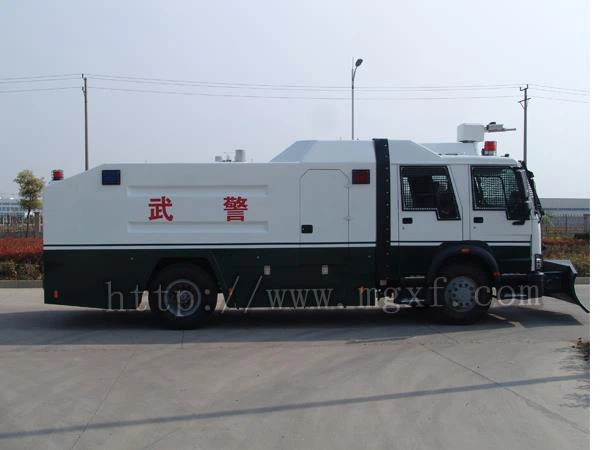
1. 6000L Anti Riot Water Cannon Vehicle
Our 6000L Anti Riot Water Cannon Vehicle is a powerful tool for crowd control. It is equipped with a high-pressure water cannon that can shoot water up to a distance of 50 meters. The vehicle also has a large water tank that can hold up to 6000 liters of water, allowing it to operate for extended periods of time.
2. Riot Control Equipment Transportation Vehicle
Our Riot Control Equipment Transportation Vehicle is designed to transport riot control equipment, such as shields, helmets, and batons, to the scene of a riot. The vehicle is equipped with a hydraulic lift system that allows it to quickly and easily load and unload equipment.
3. Armored Anti Riot Vehicle
Our Armored Anti Riot Vehicle is a heavily armored vehicle that is designed to protect law enforcement officers from gunfire and other forms of attack. The vehicle is equipped with a variety of features, such as bulletproof glass, armored plating, and a powerful engine, making it ideal for use in high-risk situations.
The Importance of Training
In addition to having the right equipment, it is also essential for riot patrols to receive proper training. Training helps law enforcement officers develop the skills and knowledge they need to respond effectively to riots. Some of the key areas of training for riot patrols include:
1. Crowd Control Techniques
Riot patrols need to be trained in a variety of crowd control techniques, such as forming a line, using shields, and communicating with the crowd. Training in these techniques helps law enforcement officers to control the crowd and prevent it from causing further damage.
2. Use of Force
Riot patrols also need to be trained in the proper use of force. This includes understanding when it is appropriate to use force, how to use non-lethal weapons, and how to minimize the risk of injury to both the crowd and law enforcement officers.
3. Communication Skills
Effective communication is essential for maintaining order during riots. Riot patrols need to be trained in communication skills, such as using loudspeakers and radios, to communicate with the crowd and provide instructions.
Conclusion
Maintaining order during riots is a complex and challenging task that requires a combination of strategies, training, and specialized equipment. As a supplier of riot patrol equipment, we are committed to providing law enforcement agencies with the products and support they need to keep their communities safe. If you are interested in learning more about our products or would like to discuss your specific needs, please contact us to start a procurement negotiation. We look forward to working with you to ensure the safety and security of your community.
References
- International Association of Chiefs of Police. (2015). Crowd Management and Control: A Guide for Law Enforcement.
- National Institute of Justice. (2016). Riot Control Agents: A Review of the Scientific Literature.
- United Nations Office on Drugs and Crime. (2017). Guidelines on the Use of Force and Firearms by Law Enforcement Officials.


