

As a seasoned supplier in the riot control industry, I've witnessed firsthand the evolving landscape of riot control methods. One tool that has received significant attention and debate is the rubber bullet. In this blog post, I'll delve into the effectiveness of rubber bullets in riot control, drawing on scientific research and real - world experiences.

The Mechanism and Design of Rubber Bullets
Rubber bullets are not actually made entirely of rubber. They typically have a core, which can be made of materials like wood or metal, covered with a layer of rubber. This design is intended to provide a certain level of kinetic energy upon impact while reducing the risk of lethal injury compared to traditional firearms. When fired, the rubber bullet transfers energy to the target, causing pain and potentially incapacitating the individual without the high - risk of penetrating the body deeply like a metal bullet.
Effectiveness in Crowd Deterrence
One of the primary goals of using rubber bullets in riot control is to deter crowds from engaging in violent or illegal behavior. In many cases, the mere presence of law enforcement officers armed with rubber - bullet guns can act as a psychological deterrent. The knowledge that non - lethal force can be used if the situation escalates often makes rioters think twice before taking extreme actions.
Scientific studies have shown that rubber bullets can be effective in dispersing small to medium - sized crowds. The pain caused by a rubber bullet impact can cause individuals to retreat or at least stop the aggressive behavior they were engaged in. For example, in some protests where rubber bullets were used in a controlled manner, the crowd's movement was effectively restricted, and the intensity of the unrest was reduced.
Limitations and Risks
However, rubber bullets are not without their limitations and risks. Firstly, the effectiveness of rubber bullets can be highly dependent on the shooting distance and angle. If fired from too close a range, rubber bullets can cause serious injuries, including broken bones, internal organ damage, and even death. On the other hand, if fired from too far away, they may not have enough impact to be effective, and rioters may simply ignore them.
Another significant concern is the potential for rubber bullets to cause long - term or permanent injuries. There have been numerous reports of people being blinded or suffering from severe facial disfigurement due to rubber - bullet impacts. These incidents have led to public outcry and raised questions about the ethical and legal use of rubber bullets in riot control.
Moreover, the use of rubber bullets can sometimes escalate the situation rather than de - escalate it. When rioters see their comrades being injured by rubber bullets, it can fuel their anger and lead to more violent behavior. In some cases, this has resulted in larger - scale riots and more serious confrontations between the crowd and law enforcement.
Complementary Riot Control Tools
To overcome the limitations of rubber bullets, it's essential to use them in conjunction with other riot control tools. As a riot control supplier, I offer a range of products that can work together to manage riots more effectively.
For example, the Light Duty Riot Control Equipment Transportation Vehicle is a versatile vehicle that can quickly transport essential riot control equipment to the scene. It can carry items such as tear gas canisters, shields, and additional rubber - bullet guns. This vehicle allows law enforcement to respond rapidly to changing situations and deploy different tools as needed.
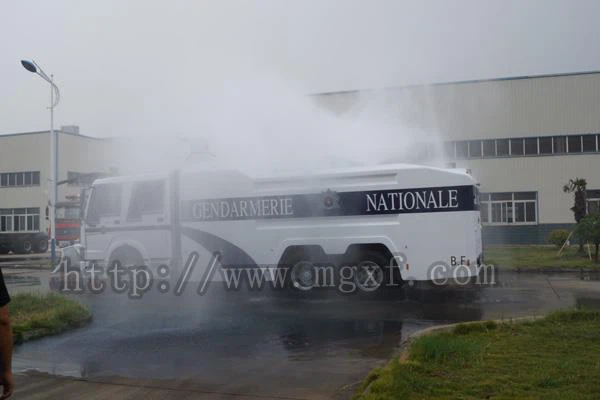
The 10000L Anti Riot Water Cannon Vehicle is another powerful tool. Water cannons can be used to disperse large crowds by spraying high - pressure water. The water not only physically moves the crowd but also has a psychological impact, as it is a visible and non - lethal form of force. The large water capacity of this vehicle ensures that it can operate for an extended period without the need for frequent refilling.
The Unimog SWAT Equipment Transportation Vehicle is designed for more specialized operations. It can carry a variety of SWAT - related equipment, including armored vests, communication devices, and specialized riot - control weapons. This vehicle provides law enforcement with the flexibility to handle different types of riot situations, from small - scale disturbances to large - scale riots.
Best Practices for Using Rubber Bullets
To ensure the safe and effective use of rubber bullets, law enforcement agencies should follow strict best practices. Training is crucial. Officers need to be well - trained in the proper use of rubber - bullet guns, including how to determine the appropriate shooting distance and angle. They should also be trained to assess the situation accurately and decide when rubber bullets are the most appropriate tool.
Additionally, there should be clear rules of engagement. Rubber bullets should only be used as a last resort when other non - lethal methods have failed and there is an immediate threat to public safety. There should also be a system in place to monitor and review the use of rubber bullets to ensure that they are being used in accordance with the law and ethical standards.
Conclusion
In conclusion, rubber bullets can be an effective tool in riot control when used correctly. They can deter crowds, disperse small - to - medium - sized groups, and help law enforcement maintain order. However, their limitations and risks cannot be ignored. To manage riots effectively, it's essential to use rubber bullets in combination with other riot control tools and follow strict best practices.
If you're in the market for high - quality riot control equipment, including rubber - bullet guns and the vehicles mentioned above, I encourage you to reach out to discuss your specific needs. Our team of experts can provide you with detailed information and help you select the most suitable products for your riot control operations. We are committed to providing reliable and effective solutions to ensure public safety and peace.
References
- Amnesty International. (Year). "Report on the Use of Rubber Bullets in Riot Control."
- Scientific Journal of Law Enforcement and Public Safety. (Volume, Issue). "Effectiveness and Risks of Rubber Bullets in Crowd Management."
- Police Research Institute. (Year). "Best Practices for the Use of Rubber Bullets in Riot Situations."


