

In the realm of public order management, riot equipment has long been a cornerstone for maintaining peace and safety during large - scale public gatherings or unrest. As a supplier of riot equipment, I've witnessed firsthand the evolution of these tools and the increasing demand for effective yet less - harmful alternatives. In this blog, we'll explore some of the alternatives to traditional riot equipment that are emerging in the market.
Traditional Riot Equipment and Its Limitations
Traditional riot equipment includes items such as tear gas, batons, shields, and water cannons. These tools have been used for decades to disperse crowds and control riots. However, they come with a set of limitations. Tear gas, for example, can cause severe respiratory problems, eye irritation, and in some cases, long - term health issues. Batons, while useful for creating a physical barrier, can lead to serious injuries if misused. Shields, though protective for law enforcement, do not actively resolve the root causes of unrest. Water cannons, like the 6000L Anti Riot Water Cannon Vehicle, can be effective in dispersing crowds, but the high - pressure water can also cause physical harm, especially to the elderly, children, and those with physical disabilities.
Technological Alternatives
Acoustic Devices
Acoustic devices are a relatively new addition to the arsenal of riot - control alternatives. These devices emit high - frequency sound waves that are extremely uncomfortable for humans to endure. The sound can be adjusted in intensity and frequency, allowing law enforcement to use it as a non - lethal means of crowd control. For example, long - range acoustic devices (LRADs) can project a focused beam of sound over long distances. They are often used to issue warnings or disperse crowds without causing physical harm. However, they also have limitations. Prolonged exposure to high - intensity sound can cause hearing damage, so their use must be carefully regulated.
Electromagnetic Devices
Electromagnetic devices work by using electromagnetic fields to disrupt the normal functioning of electronic devices carried by protesters, such as mobile phones and radios. This can help to break up communication among protesters, making it more difficult for them to organize large - scale actions. Additionally, some electromagnetic devices can be used to create a non - lethal deterrent effect. For instance, a device that emits a low - level electromagnetic pulse can cause discomfort without causing permanent damage.
Drone Technology
Drones have become an increasingly popular tool for crowd monitoring and control. They can be equipped with cameras to provide real - time surveillance of large crowds, allowing law enforcement to identify potential trouble spots and take preemptive action. Drones can also be used to drop non - lethal projectiles, such as rubber balls or tear - free irritants, in a more targeted manner. This reduces the risk of harm to bystanders compared to traditional methods of using tear gas or other projectiles. Moreover, drones can be used to broadcast messages to the crowd, providing clear instructions and warnings.
Social and Community - Based Alternatives
Dialogue and Mediation
One of the most effective alternatives to riot equipment is to address the root causes of unrest through dialogue and mediation. Law enforcement agencies can work with community leaders, activists, and protesters to understand their concerns and find peaceful solutions. By engaging in open and honest communication, it is possible to defuse tense situations before they escalate into riots. For example, establishing community policing programs where officers build relationships with local residents can create a more positive and cooperative environment.
Education and Awareness
Educating the public about the importance of peaceful protests and the legal consequences of violent behavior is another crucial alternative. Community outreach programs can be organized to teach people about their rights and responsibilities during public gatherings. This can help to prevent misunderstandings and reduce the likelihood of riots. Additionally, raising awareness about the potential harm caused by traditional riot equipment can encourage both protesters and law enforcement to seek more peaceful solutions.
Hybrid Approaches
In many cases, a combination of technological and social - based alternatives may be the most effective way to manage public unrest. For example, using drones for surveillance while simultaneously engaging in dialogue with protesters can provide a comprehensive approach to crowd control. Law enforcement can use the information gathered from drones to identify key individuals or groups involved in potential unrest and then initiate mediation efforts.
Another hybrid approach is to use non - lethal technological devices in conjunction with community - based solutions. For instance, acoustic devices can be used as a warning signal during a protest, and at the same time, community leaders can step in to facilitate communication between the protesters and the authorities.

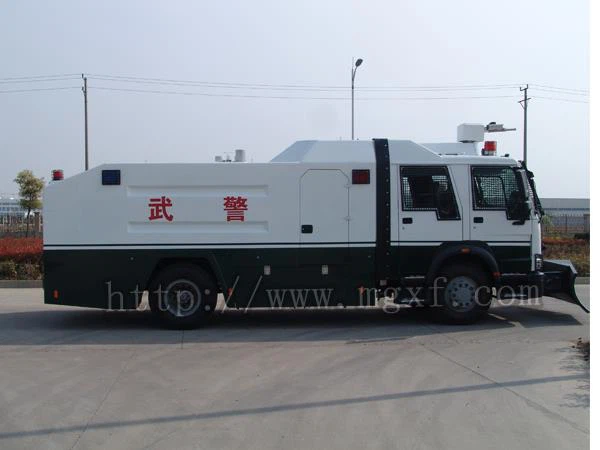
The Role of Riot Equipment Transportation Vehicles
Riot equipment transportation vehicles, such as the Riot Control Equipment Transportation Vehicle and Light Duty Riot Control Equipment Transportation Vehicle, play an important role in the deployment of both traditional and alternative riot equipment. These vehicles are designed to transport and support the use of various riot - control tools. They can quickly move equipment to the scene of unrest, ensuring that law enforcement has the necessary resources at their disposal. Moreover, they can be equipped with advanced communication and surveillance systems, enhancing the overall effectiveness of riot - control operations.
Conclusion
As society evolves, so do the methods of managing public unrest. While traditional riot equipment will likely continue to play a role in maintaining public order, there is a growing need for more effective, less - harmful alternatives. Technological advancements, social and community - based approaches, and hybrid strategies offer promising solutions. As a supplier of riot equipment, we are committed to staying at the forefront of these developments and providing our customers with the best possible products and services.
If you are interested in learning more about our riot equipment or exploring the alternatives we offer, please feel free to contact us. We are ready to engage in procurement discussions and provide you with customized solutions to meet your specific needs.
References
- "Crowd Control: A Critical Introduction" by Clifford Stott and Stephen Reicher.
- "The Use of Force: State Violence in Historical Perspective" by Charles Tilly.
- Research papers on the latest technological advancements in non - lethal riot control from academic journals such as "Journal of Policing, Intelligence and Counter Terrorism" and "Security Journal".


