

As a supplier of riot vehicles, I've witnessed firsthand the critical role that tire pressure monitoring systems (TPMS) play in ensuring the safety, efficiency, and reliability of these specialized vehicles. In riot control situations, where vehicles are often subjected to extreme conditions and unpredictable scenarios, maintaining optimal tire pressure is not just a matter of performance but also of operational success and the safety of those on board and in the vicinity.
The Importance of Tire Pressure in Riot Vehicles
Riot vehicles are designed to navigate through challenging terrains, including rough streets, debris - filled areas, and sometimes even off - road environments. Correct tire pressure is essential for several reasons. Firstly, it affects the vehicle's handling. Properly inflated tires provide better traction, which is crucial when maneuvering in high - stress situations. For example, during a riot, a vehicle may need to make sudden turns or stops to avoid obstacles or to quickly reposition itself. If the tire pressure is too low, the vehicle may have a longer braking distance and reduced steering response, increasing the risk of accidents.
Secondly, tire pressure impacts fuel efficiency. Under - inflated tires create more rolling resistance, which means the engine has to work harder to move the vehicle forward. This leads to increased fuel consumption, which can be a significant drawback in long - duration riot control operations where refueling may not be readily available.
Thirdly, maintaining the right tire pressure extends the lifespan of the tires. Over - inflated tires are more prone to damage from impacts, as they have less cushioning. On the other hand, under - inflated tires wear out more quickly on the outer edges due to uneven distribution of weight. In riot vehicles, where tires are often exposed to sharp objects and rough surfaces, proper tire pressure can save on replacement costs and prevent unexpected breakdowns.
Types of Tire Pressure Monitoring Systems
Direct TPMS
Direct TPMS uses sensors installed inside each tire to measure the actual air pressure. These sensors typically use radio frequency (RF) technology to transmit the pressure data to a central receiver in the vehicle. When the tire pressure falls below or exceeds a pre - set threshold, the system alerts the driver, usually through a warning light on the dashboard.
One of the main advantages of direct TPMS is its accuracy. It provides real - time and precise information about the tire pressure of each individual tire. This is particularly important in riot vehicles, where a single flat tire can compromise the vehicle's ability to perform its mission. Direct TPMS also allows for early detection of slow leaks, which may not be noticeable through visual inspection.
However, direct TPMS has some limitations. The sensors are battery - powered, and the batteries have a limited lifespan, usually around 5 - 10 years. Replacing the sensors can be costly and may require specialized equipment. Additionally, the RF signals can be affected by interference from other electronic devices, which may cause inaccurate readings or false alarms.
Indirect TPMS
Indirect TPMS does not use sensors inside the tires. Instead, it relies on the vehicle's anti - lock braking system (ABS) or electronic stability control (ESC) sensors to monitor the rotational speed of the tires. When a tire is under - inflated, it has a smaller diameter than the other tires, which causes it to rotate at a different speed. The system detects this difference in rotational speed and alerts the driver if it exceeds a certain threshold.
The main advantage of indirect TPMS is its cost - effectiveness. Since it does not require additional sensors inside the tires, it is generally less expensive to install and maintain. It also does not have the battery - replacement issue associated with direct TPMS.
However, indirect TPMS has some drawbacks. It is less accurate than direct TPMS, as it only detects significant differences in tire pressure. It may not be able to detect slow leaks or small changes in pressure. Also, factors such as tire wear, different tire brands, or uneven tire inflation can affect the accuracy of the system.
TPMS in Our Riot Vehicles
At our company, we understand the unique requirements of riot vehicles, and we offer both direct and indirect TPMS options depending on the customer's needs and budget. Our direct TPMS systems are equipped with high - quality sensors that provide reliable and accurate pressure readings. The sensors are designed to withstand the harsh conditions of riot control operations, including exposure to water, dust, and vibrations.
For customers who are looking for a more cost - effective solution, our indirect TPMS systems are a great choice. These systems are integrated with the vehicle's existing ABS and ESC systems, ensuring seamless operation and minimal additional hardware.
We also offer a comprehensive TPMS maintenance and support service. Our team of technicians is trained to install, calibrate, and repair TPMS systems. We provide regular software updates for our direct TPMS systems to ensure optimal performance and compatibility with the latest vehicle models.
Case Studies
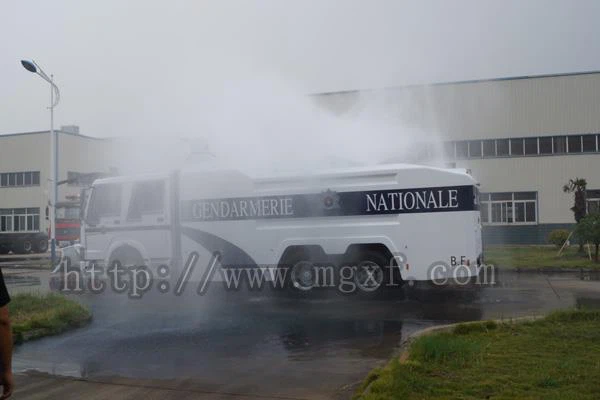
Let's take a look at how our TPMS systems have benefited our customers. One of our clients, a law enforcement agency, purchased a fleet of 10000L Anti Riot Water Cannon Vehicle equipped with our direct TPMS. During a large - scale riot, one of the vehicles detected a slow leak in a tire through the TPMS. The driver was immediately alerted and was able to safely return to the base for repairs before the tire became completely flat. This not only prevented a potentially dangerous situation but also saved the agency from the cost of a tire replacement on - site.
Another customer, a security firm, opted for our indirect TPMS on their 6000L Anti Riot Water Cannon Vehicle. The system detected a significant difference in tire pressure during a routine patrol, which was later found to be due to a puncture. The early detection allowed the firm to address the issue promptly, avoiding any disruptions to their operations.

Future Developments in TPMS for Riot Vehicles
The field of TPMS is constantly evolving, and we are excited to be at the forefront of these developments. One area of research is the integration of TPMS with other vehicle systems, such as the vehicle's telematics system. This would allow for remote monitoring of tire pressure, enabling fleet managers to track the status of all vehicles in real - time. For example, if a riot vehicle's tire pressure drops below a certain level, the fleet manager could be alerted immediately and dispatch a maintenance team to the vehicle's location.
Another area of development is the use of more advanced sensors. Future sensors may be able to measure not only tire pressure but also other parameters such as temperature, tread depth, and tire wear. This would provide a more comprehensive picture of the tire's condition and allow for more proactive maintenance.
Conclusion
In conclusion, tire pressure monitoring systems are an essential component of riot vehicles. They play a crucial role in ensuring the safety, efficiency, and reliability of these vehicles in challenging riot control situations. At our company, we are committed to providing high - quality TPMS solutions that meet the unique needs of our customers. Whether you are looking for a direct or indirect TPMS system, we have the expertise and experience to provide you with the best solution.
If you are interested in learning more about our riot vehicles and the TPMS systems we offer, or if you have any questions regarding purchasing and customization, please feel free to contact us. We are ready to engage in in - depth discussions and provide you with detailed product information and solutions tailored to your specific requirements.
References
- SAE International. (20XX). Tire Pressure Monitoring System Standards.
- Society of Automotive Engineers. (20XX). Best Practices for TPMS in Specialized Vehicles.
- Various industry reports on automotive safety and technology.


