

Hey there! As a supplier of fire wagons, I often get asked about the different components of these life - saving machines. One question that pops up quite a bit is, "What is the air intake system on a fire wagon for?" Well, let's dig into it.
First off, a fire wagon is a beast of a vehicle. It's got to be tough, reliable, and able to perform under the most extreme conditions. The air intake system is a crucial part of this equation.
The Basics of an Air Intake System
The air intake system on a fire wagon is like the lungs of the vehicle. Just like we need to breathe in fresh air to function properly, a fire wagon's engine needs a steady supply of clean air to run efficiently. The main job of the air intake system is to filter out dirt, dust, and other contaminants from the air before it enters the engine.
Think about it. Firefighting environments are dirty. There's smoke, ash, and all sorts of debris floating around. If this stuff gets into the engine, it can cause all kinds of problems. It can clog up the engine's internal components, reduce performance, and even lead to costly breakdowns. That's where the air intake system steps in. It's designed to keep the engine breathing clean air, no matter how dirty the surroundings are.
How the Air Intake System Works
The air intake system on a fire wagon typically consists of several key components. There's an air filter, which is the first line of defense. The air filter is made of a special material that traps dirt and debris as the air passes through it. It's kind of like a sieve, letting the clean air through while holding back the bad stuff.
Next, there's an air duct. The air duct is like a pipe that channels the clean air from the air filter to the engine. It's designed to be smooth and free of obstructions, so that the air can flow easily and quickly.
Some fire wagons also have a turbocharger or a supercharger as part of the air intake system. These devices are used to increase the amount of air that gets into the engine. By forcing more air into the engine, the turbocharger or supercharger can boost the engine's power and performance. This is especially important for fire wagons, which often need to accelerate quickly and carry heavy loads.
Why the Air Intake System is So Important for Fire Wagons
Now, you might be thinking, "Sure, an air intake system is important for any vehicle. But why is it so crucial for fire wagons?" Well, there are a few reasons.
First of all, fire wagons are often used in high - stress situations. They need to be able to start up quickly, accelerate rapidly, and maintain high speeds. A well - functioning air intake system ensures that the engine has enough clean air to perform at its best, even under these demanding conditions.
Secondly, fire wagons are often exposed to harsh environments. They might be driving through smoke - filled streets, dusty construction sites, or areas with a lot of industrial pollution. The air intake system protects the engine from these contaminants, preventing damage and extending the engine's lifespan.
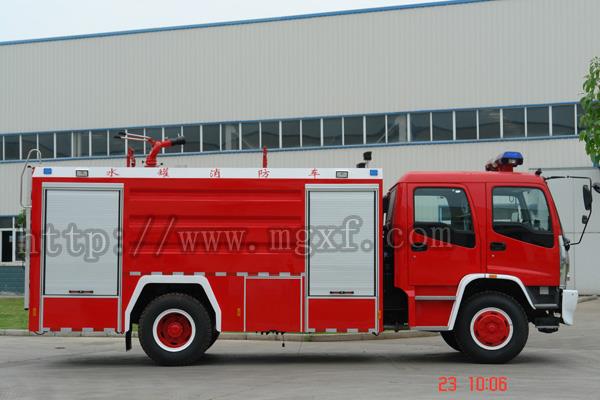

Finally, fire wagons are expensive pieces of equipment. A breakdown can be a major problem, not only in terms of cost but also in terms of response time. By keeping the engine running smoothly, the air intake system helps to reduce the risk of breakdowns and ensures that the fire wagon is always ready to go when it's needed.
Our Fire Wagons and Their Air Intake Systems
At our company, we take the air intake system on our fire wagons very seriously. We use high - quality air filters that are designed to trap even the smallest particles of dirt and debris. Our air ducts are made of durable materials that can withstand the rigors of firefighting. And we offer fire wagons with both turbochargers and superchargers, depending on the specific needs of our customers.
For example, our 6000L Middle Size Water Tanker/foam Tanker Fire Truck is a great option for medium - sized fire departments. It's got a powerful engine and a top - of - the - line air intake system that ensures reliable performance.
Our 5000L Fire Fighting Truck is another popular choice. It's built to handle tough jobs and is equipped with an air intake system that can keep the engine running smoothly in even the dirtiest environments.
And if you're looking for a more lightweight option, our 2000L Light Duty Foam Tank Fire Truck is a great choice. It's got a fuel - efficient engine and an air intake system that's designed to optimize performance.
Maintaining the Air Intake System
Just like any other part of a fire wagon, the air intake system needs to be properly maintained. This includes regularly checking and replacing the air filter. Over time, the air filter can become clogged with dirt and debris, which can reduce its effectiveness. By replacing the air filter at regular intervals, you can ensure that the air intake system is working at its best.
It's also important to inspect the air duct for any signs of damage or blockages. A damaged air duct can restrict the flow of air to the engine, which can lead to reduced performance. If you notice any cracks, holes, or other damage to the air duct, it should be repaired or replaced as soon as possible.
Conclusion
So, there you have it. The air intake system on a fire wagon is a vital component that plays a crucial role in the vehicle's performance and reliability. It keeps the engine running smoothly, protects it from contaminants, and helps to ensure that the fire wagon is always ready to respond when it's needed.
If you're in the market for a new fire wagon, or if you're looking to upgrade your existing fleet, we'd love to talk to you. We've got a wide range of fire wagons to choose from, each with a high - quality air intake system. Contact us today to start the conversation about finding the perfect fire wagon for your needs.
References
- Automotive Engineering Handbook: Covers general principles of vehicle air intake systems.
- Firefighting Equipment Manuals: Provide specific details about air intake systems in fire wagons.


