

What is the Cost of a New Fire Tanker?
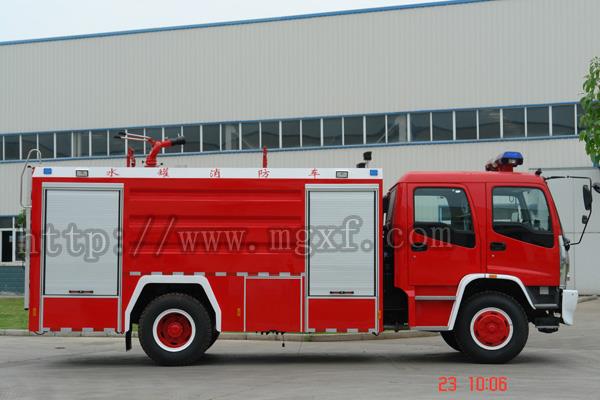
When it comes to the crucial field of firefighting, fire tankers play an indispensable role. As a professional fire tankers supplier, I've witnessed firsthand the diverse needs of fire departments, industrial facilities, and other entities that require these life - saving vehicles. One of the most frequently asked questions I encounter is about the cost of a new fire tanker. In this blog, I'll break down the factors that influence the cost and provide a general overview of what you can expect to pay.
Factors Affecting the Cost of a Fire Tanker
- Size and Capacity
The size and water or foam - carrying capacity of a fire tanker are primary determinants of its cost. Smaller, light - duty fire tankers with lower capacities are generally less expensive. For instance, our [2000L Light Duty Water Tanker/foam Tanker Fire Truck](/fire - truck/water - tanker - foam - tanker - fire - truck/2 - 000l - light - duty - water - tanker - foam - tanker.html) is designed for more localized firefighting tasks, such as in small communities or industrial sites with limited space. These tankers are more budget - friendly due to their smaller size and lower material requirements.
On the other hand, larger tankers with higher capacities are more expensive. Our [6000L Middle Size Water Tanker/foam Tanker Fire Truck](/fire - truck/water - tanker - foam - tanker - fire - truck/6 - 000l - middle - size - water - tanker - foam - tanker.html) can carry a significant amount of water or foam, which is essential for large - scale fires in commercial areas, industrial complexes, or wildfires. The increased capacity requires a larger chassis, more robust construction, and additional equipment, all of which contribute to a higher price tag.
- Type of Firefighting Equipment
The type of firefighting equipment installed on the fire tanker also has a major impact on cost. Basic tankers may come with standard water pumps and hoses, which are relatively inexpensive. However, if you opt for advanced features such as foam - generating systems, high - pressure pumps, or specialized firefighting tools, the cost will increase significantly.
For example, foam - based firefighting systems are highly effective against flammable liquid fires. Our [3000L Light Duty Foam Tank Fire Truck](/fire - truck/water - tanker - foam - tanker - fire - truck/3000l - light - duty - foam - tank - fire - truck.html) is equipped with a foam tank and a foam - proportioning system, which adds to its cost compared to a basic water - only tanker. These advanced systems require precise engineering and high - quality components to ensure reliable performance.
- Chassis and Vehicle Specifications
The chassis on which the fire tanker is built is another important cost factor. Different chassis manufacturers offer varying levels of quality, performance, and features. High - end chassis with powerful engines, advanced suspension systems, and superior drivetrains are more expensive. Additionally, custom - built chassis designed specifically for fire tankers can also drive up the cost.
In addition to the chassis, other vehicle specifications such as the number of axles, braking systems, and safety features can affect the price. For example, a fire tanker with multiple axles may be more suitable for carrying heavy loads but will generally cost more than a single - axle tanker.
- Customization and Special Features
Many customers require custom - made fire tankers to meet their specific needs. Customization can include anything from the layout of the equipment compartments to the color of the vehicle. Special features such as remote - controlled water cannons, on - board generators, or advanced communication systems also add to the cost.
Each customization requires additional engineering, design work, and manufacturing time, which all contribute to the overall price of the fire tanker. However, these custom features can greatly enhance the functionality and effectiveness of the fire tanker in specific firefighting scenarios.

Cost Range of Fire Tankers
Based on the factors mentioned above, the cost of a new fire tanker can vary widely. Light - duty fire tankers with basic equipment and smaller capacities can start at around $50,000 - $100,000. These tankers are suitable for small - scale operations or as supplementary vehicles in larger fleets.
Medium - sized fire tankers with more advanced equipment and capacities in the range of 3000 - 6000 liters can cost between $150,000 - $300,000. These tankers offer a good balance between capacity and cost and are commonly used by municipal fire departments and industrial facilities.
Heavy - duty fire tankers with large capacities, advanced firefighting systems, and custom features can cost upwards of $300,000. These vehicles are typically used for large - scale industrial firefighting, wildfire suppression, or in major urban areas where high - performance equipment is required.
Making the Right Investment
When considering the purchase of a new fire tanker, it's important to look beyond the initial cost. A high - quality fire tanker may have a higher upfront price but can offer better performance, reliability, and longevity. This can result in lower maintenance costs and fewer downtime over the life of the vehicle.
It's also essential to assess your specific needs. Consider the type of fires you are likely to encounter, the geographical area you will be operating in, and the budget available. By carefully evaluating these factors, you can make an informed decision and choose a fire tanker that provides the best value for your money.
Contact Us for a Quote
If you're in the market for a new fire tanker, we'd love to hear from you. As a leading fire tankers supplier, we have a wide range of products to meet your specific needs. Whether you're looking for a light - duty tanker for a small community or a heavy - duty vehicle for large - scale operations, we can provide you with a customized solution.
Please feel free to reach out to us to discuss your requirements and get a detailed quote. Our team of experts is ready to assist you in making the right choice for your firefighting needs.
References
- Fire Apparatus Manufacturers' Association (FAMA). Industry standards and guidelines for fire tankers.
- National Fire Protection Association (NFPA). Codes and standards related to firefighting equipment and vehicles.


