

As a water tanker supplier, I've received many inquiries regarding the feasibility of using water tankers for water supply in shopping malls. This topic is not only timely but also holds significant importance for ensuring the smooth operation and safety of large commercial spaces. In this blog post, I'll delve into the various aspects of using water tankers for water supply in shopping malls, exploring the benefits, challenges, and practical considerations.
The Need for Alternative Water Supply in Shopping Malls
Shopping malls are large - scale commercial complexes that require a substantial amount of water for various purposes. These include restroom facilities, food courts, cleaning, and in some cases, fire suppression systems. However, there are situations where the regular municipal water supply might be disrupted. Natural disasters such as floods, earthquakes, or pipe bursts can lead to a temporary halt in the water supply. In such scenarios, having an alternative water source is crucial to maintain the basic functions of the mall and ensure the comfort and safety of shoppers and employees.

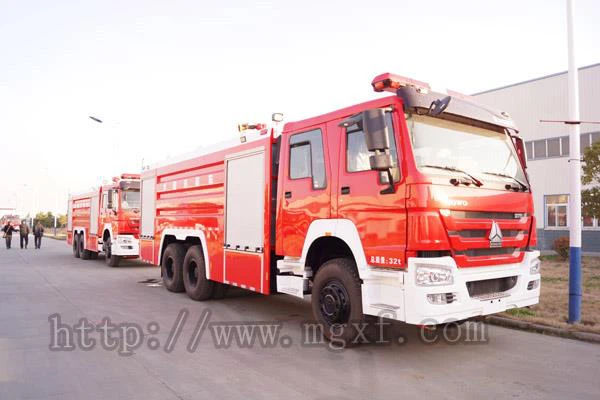
Advantages of Using Water Tankers for Water Supply
- Flexibility and Mobility: One of the primary advantages of water tankers is their mobility. They can be easily dispatched to the shopping mall whenever there is a need for additional water. Unlike fixed water storage systems, water tankers can be moved from one location to another, providing a flexible solution for emergency water supply.
- Quick Response: In case of a sudden water shortage, water tankers can be on - site within a relatively short period. This quick response time is essential for minimizing the disruption to the mall's operations. For example, if a pipe burst occurs in the mall, a water tanker can be immediately sent to provide water for cleaning and to keep the restrooms functional.
- Customizable Capacity: Water tankers come in various sizes, allowing shopping malls to choose the appropriate capacity based on their needs. For smaller malls or those with limited water requirements, a smaller - capacity water tanker might be sufficient. On the other hand, larger malls with high water consumption can opt for tankers with larger capacities. We offer a range of water tankers, including the 6000L Foam Tank Fire Truck, 8000L Water Tank Fire Truck, and 16000L Foam Tank Fire Truck, which can be used not only for fire - fighting but also for general water supply purposes.
Challenges and Considerations
- Water Quality: Ensuring the quality of the water supplied by the tanker is of utmost importance. The water should meet the relevant health and safety standards, especially if it is used for drinking or food - related purposes in the mall's food courts. Regular water testing and proper treatment are necessary to maintain water quality.
- Cost: Using water tankers for water supply can be more expensive than relying on the municipal water supply. The cost includes not only the price of the water but also the transportation and delivery fees. Shopping malls need to factor in these costs when considering using water tankers as an alternative water source.
- Storage and Distribution: Once the water is delivered by the tanker, proper storage and distribution systems need to be in place within the mall. This may require additional infrastructure, such as storage tanks and piping, to ensure that the water can be effectively used throughout the mall.
Practical Implementation
- Emergency Planning: Shopping malls should have a well - defined emergency water supply plan that includes the use of water tankers. This plan should outline the procedures for requesting water tankers, the contact information of the water tanker supplier, and the steps for storing and distributing the water within the mall.
- Regular Maintenance and Inspection: The water tankers themselves need to be regularly maintained and inspected to ensure their proper functioning. This includes checking the tank for leaks, the pumping system for efficiency, and the overall structural integrity of the tanker.
- Training: Mall employees should be trained on how to handle the water supply from the tanker. This includes understanding the safety procedures, how to connect the tanker to the mall's water system, and how to monitor the water level in the storage tanks.
Case Studies
There have been several successful cases of using water tankers for water supply in shopping malls during emergencies. For instance, in a coastal city, a major storm caused extensive damage to the municipal water supply infrastructure. A large shopping mall in the area immediately contacted a water tanker supplier. The water tankers were quickly dispatched to the mall, providing water for restrooms, cleaning, and to keep the food court operational. Thanks to the timely response and the use of water tankers, the mall was able to minimize the disruption to its business and maintain a relatively normal shopping environment for its customers.
Conclusion
In conclusion, water tankers can indeed be used for water supply in shopping malls, offering a flexible and quick - response solution for emergency situations. While there are challenges such as water quality, cost, and storage to consider, with proper planning, maintenance, and training, these challenges can be effectively addressed. Shopping malls should seriously consider including water tankers in their emergency water supply plans to ensure the continuity of their operations and the well - being of their customers and employees.
If you are a shopping mall manager or involved in facility management and are interested in learning more about our water tanker solutions for your mall, we encourage you to reach out to us for a detailed discussion. We can provide you with customized solutions based on your specific needs and help you develop an effective emergency water supply plan.
References
- "Emergency Water Supply Planning for Commercial Buildings", Journal of Urban Water Management, Vol. XX, Issue XX
- "The Role of Mobile Water Tankers in Disaster Relief", International Journal of Disaster Management, Vol. XX, Issue XX


