

Attic fires can be a real pain in the neck for firefighters. They're tricky to deal with because attics are often hard to access, and the fire can spread quickly through the tight spaces and insulation. As a fire wagon supplier, I've seen firsthand how important it is to have the right equipment and strategies in place to tackle these types of fires effectively. In this blog post, I'm gonna share some insights on how fire wagons deal with attic fires and why having the right vehicle matters.

Understanding the Challenges of Attic Fires
Before we dive into how fire wagons handle attic fires, let's take a quick look at what makes these fires so challenging. Attics are usually filled with combustible materials like wood, insulation, and stored items. When a fire starts in an attic, it can spread rapidly, fueled by the limited ventilation and the abundance of fuel sources.
One of the biggest problems with attic fires is access. Firefighters often have to find a way to get to the attic through small hatches or crawl spaces, which can be difficult and dangerous. Additionally, the structure of the attic can make it hard to reach the fire directly, and the heat and smoke can be overwhelming.
Another challenge is the potential for the fire to spread to other parts of the building. Attics are often connected to other areas of the house through vents, ducts, and electrical wiring, which means the fire can quickly spread to the rest of the building if not contained.
How Fire Wagons Are Equipped to Deal with Attic Fires
Fire wagons are specifically designed to handle a variety of fire situations, including attic fires. Here are some of the key features and equipment that make them well-suited for this type of job:
Water Tanks
One of the most important features of a fire wagon is its water tank. The size of the water tank can vary depending on the type of fire truck, but most fire wagons are equipped with a tank that can hold anywhere from 2,000 to 6,000 liters of water. This water is used to extinguish the fire and cool down the surrounding area.
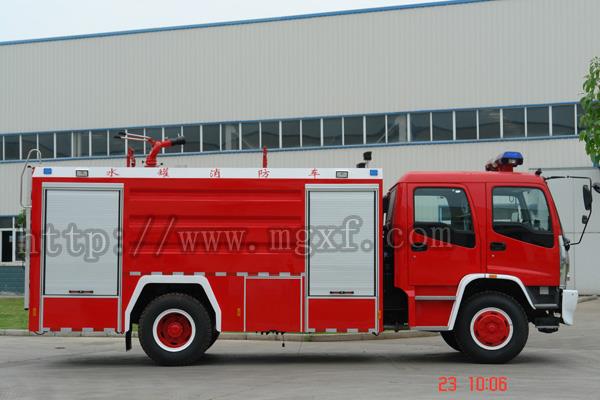
For attic fires, having a large water tank is crucial. Since access to the attic can be limited, firefighters may need to rely on the water stored in the fire wagon to extinguish the fire. Our 6000L Middle Size Water Tanker/foam Tanker Fire Truck is a great option for dealing with larger attic fires, as it provides a substantial amount of water to fight the blaze.
Pumping Systems
In addition to the water tank, fire wagons are also equipped with pumping systems that can deliver water to the fire at high pressure. These pumping systems are essential for getting water to the attic, especially if the fire is located in a hard-to-reach area.
The pumping system on a fire wagon can be powered by the truck's engine or by a separate pump. Some fire wagons also have the ability to draw water from external sources, such as hydrants or nearby bodies of water, which can increase the amount of water available to fight the fire.
Ladders and Aerial Devices
Fire wagons are often equipped with ladders and aerial devices that can be used to access the attic. These ladders can range from small portable ladders to large aerial platforms that can reach several stories high.
Ladders are essential for getting firefighters to the attic quickly and safely. They can also be used to ventilate the attic by breaking windows or creating openings in the roof, which helps to remove heat and smoke from the building.
Foam Systems
Foam is another important tool for fighting attic fires. Foam can be used to smother the fire, cool down the surrounding area, and prevent the fire from spreading. Fire wagons are often equipped with foam systems that can produce different types of foam, depending on the type of fire and the conditions.
Foam is especially useful in attic fires because it can penetrate the insulation and other materials in the attic, reaching the fire directly. Our 2000L Light Duty Water Tank Fire Truck and 3000L Light Duty Water Tank Fire Truck are both equipped with foam systems, making them suitable for dealing with smaller attic fires.
Strategies for Dealing with Attic Fires
In addition to having the right equipment, firefighters also need to have a well-planned strategy for dealing with attic fires. Here are some of the key steps that firefighters typically take when responding to an attic fire:
Size Up the Situation
When firefighters arrive at the scene of an attic fire, the first thing they do is size up the situation. This involves assessing the size and location of the fire, the structure of the building, and the potential for the fire to spread.
Based on this assessment, firefighters can determine the best approach for fighting the fire and develop a plan of action.
Ventilate the Attic
One of the first steps in fighting an attic fire is to ventilate the attic. Ventilation helps to remove heat and smoke from the building, which can make it easier for firefighters to access the fire and extinguish it.
Firefighters can ventilate the attic by breaking windows, cutting holes in the roof, or using fans to draw the smoke out of the building. It's important to note that ventilation should be done carefully, as improper ventilation can actually make the fire worse by providing more oxygen to the flames.
Attack the Fire
Once the attic has been ventilated, firefighters can begin to attack the fire. This typically involves using a combination of water and foam to extinguish the fire and cool down the surrounding area.
Firefighters may need to use ladders or other equipment to get to the fire directly, and they may need to work in teams to ensure that the fire is fully extinguished.
Conduct a Search and Rescue
In addition to fighting the fire, firefighters also need to conduct a search and rescue operation to ensure that all occupants of the building are safe. This involves searching the attic and other areas of the building for any people who may be trapped or injured.
Firefighters are trained to use specialized equipment and techniques to locate and rescue people in a fire situation, and they work quickly and efficiently to ensure that everyone is accounted for.
Overhaul the Fire Scene
After the fire has been extinguished, firefighters need to conduct an overhaul of the fire scene to ensure that the fire is completely out and that there are no hidden pockets of fire. This involves checking the attic and other areas of the building for any signs of smoldering or hot spots, and using water or other extinguishing agents to put out any remaining fires.
Overhauling the fire scene is an important step in preventing the fire from reigniting, and it helps to ensure the safety of the building and its occupants.
Why Choosing the Right Fire Wagon Matters
As a fire wagon supplier, I know how important it is to choose the right fire truck for the job. When it comes to dealing with attic fires, having the right equipment and features can make all the difference.
Here are some of the reasons why choosing the right fire wagon matters:
Efficiency
A well-equipped fire wagon can help firefighters respond to an attic fire quickly and efficiently. With a large water tank, powerful pumping system, and other specialized equipment, firefighters can get to the fire faster and extinguish it more effectively.
Safety
Firefighting is a dangerous job, and having the right equipment can help to keep firefighters safe. Fire wagons are designed with safety in mind, and they are equipped with features like fire-resistant materials, safety harnesses, and emergency lighting to help protect firefighters in the line of duty.
Cost-Effectiveness
Investing in a high-quality fire wagon can be a cost-effective solution in the long run. A well-built fire truck will last longer and require less maintenance than a cheaper, lower-quality model, which can save money on repairs and replacements over time.
Contact Us for Your Fire Wagon Needs
If you're in the market for a fire wagon to help deal with attic fires or other fire situations, I encourage you to contact us. We offer a wide range of fire trucks and equipment, including 6000L Middle Size Water Tanker/foam Tanker Fire Truck, 2000L Light Duty Water Tank Fire Truck, and 3000L Light Duty Water Tank Fire Truck.
Our team of experts can help you choose the right fire truck for your needs and budget, and we can provide you with all the information and support you need to make an informed decision. Whether you're a fire department, a municipality, or a private company, we're here to help you get the fire protection you need.
References
- National Fire Protection Association (NFPA). (2023). NFPA 1901: Standard for Automotive Fire Apparatus.
- International Association of Fire Chiefs (IAFC). (2023). Firefighting Strategies and Tactics.
- U.S. Fire Administration (USFA). (2023). Attic Fires: A Guide for Firefighters.


